Australia’s housing market surged in August following the Reserve Bank’s 0.25% rate cut, with national home prices recording their fastest monthly rise in more than a year.
The surge in housing prices comes amid a sharp lift in confidence, with the Westpac-Melbourne Institute index jumping 5.7% in August to its highest since early 2022. Households increasingly see it as a good time to buy, but Westpac still expects only a slow recovery, with GDP growth of 1.7% in 2025 after 1.3% in 2024 and a return to the 2.2% trend delayed until late 2026.
National house prices rose 1.3% in August, bouncing back from July’s flat result. Median house prices hit $961,000, while unit prices climbed to $710,000, representing annual growth of 8.0% and 6.3% respectively.
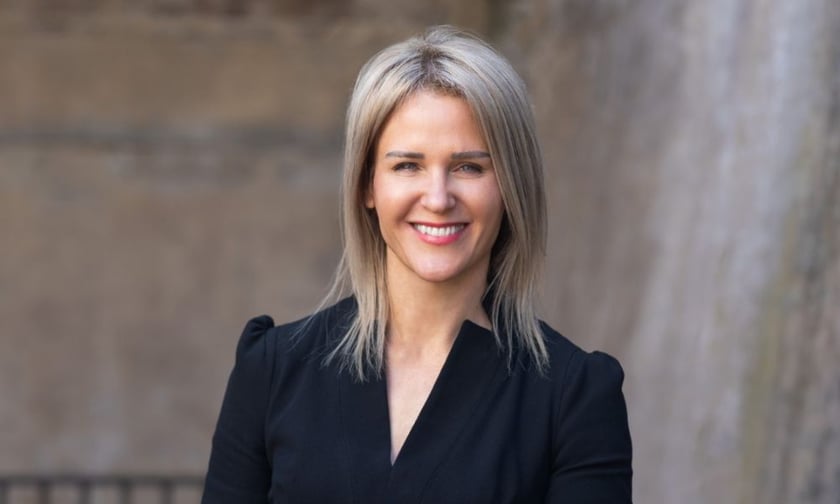
“The cut, along with expectations of at least one more cut in 2025, has reignited buyer confidence and delivered the strongest monthly growth in over a year,” Nerida Conisbee (pictured), chief economist at Ray White, said.

Perth remained the nation’s top-performing market, with house prices up 1.7% in August to $970,000, marking annual growth of 12.4%. Perth units also rose 1.7%, with a remarkable 14.5% annual gain to $644,000.
Brisbane houses closely followed, rising 1.6% in August to $1.09 million, for annual growth of 10.5%. This was a sharp turnaround from July’s 0.2% rise, underscoring how quickly demand can rebound as borrowing costs fall.

Sydney houses climbed 1.5% in August to $1.68 million, with annual growth of 6.3%. Sydney units rose 1.0% to $920,000, continuing their strong run after being the only market segment to post growth during July’s rate hold.

Melbourne remains the weakest capital city market, but August brought signs of stabilisation. House prices rose 1.1% to $1.06 million, reversing July’s small decline. Annual growth is now 4.3% — modest compared to other capitals but the strongest pace Melbourne has recorded in recent months.
Units in Melbourne rose 0.8% in August to $643,000, with annual growth of 3.1%, well below the national average of 6.3%.
Conisbee noted Melbourne’s challenges: “The Melbourne market's protracted weakness reflects several structural challenges including being one of the most heavily taxed states for property, as well as having the highest unemployment rate.
“However, the August response to rate cuts suggests underlying demand remains intact, and further monetary easing could provide the catalyst for a more substantial recovery.”
Apartment markets continue to outpace expectations, with national unit prices rising 1.0% in August.
Perth units led with 1.7% growth, Brisbane units rebounded with 1.3%, and Adelaide units added 1.2%. Regional Western Australia units rose 1.5%, while Regional South Australia maintained 1.3% growth.
The acceleration in housing prices is expected to draw more sellers to the market. Early signs show listing volumes are beginning to rise as vendors gain confidence.
However, supply may struggle to keep pace with renewed demand, especially if another RBA cut arrives before year’s end. Conisbee warned that this could intensify price growth further.
“The August rate cut has effectively ended the brief pause in Australia’s housing price growth trajectory, setting the stage for what could be a particularly dynamic Spring market,” she said.
“With borrowing costs falling and buyer confidence returning, the combination of lower mortgage rates and pent-up demand from July's hiatus appears poised to drive continued price growth through the remainder of 2025.”
Get the hottest and freshest mortgage news delivered right into your inbox. Subscribe now to our FREE daily newsletter.