Household spending remained subdued in May, but new data from Commonwealth Bank suggests signs of life as Australians start indulging in small luxuries – thanks to relief at the petrol pump, energy rebates, and expectations of further interest rate cuts.
According to the latest CommBank Household Spending Insights (HSI) Index, spending edged up just 0.5% in May, highlighting ongoing consumer caution. But categories such as hospitality and recreation emerged as top performers over the year, with strong demand for dining out, travel bookings, and leisure activities.
“We are seeing some green shoots however, as our insights suggest households are using money saved from energy rebates and lower petrol prices to enjoy themselves by dining out and spending on experiences,” said Belinda Allen (pictured), senior economist at CBA.
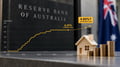
The shift comes amid broader signs of economic cooling. Australia’s economy grew less than expected in Q1 2025, while inflation eased to a four-year low of 2.4%. The Reserve Bank also slashed interest rates to a two-year low at its May meeting, aiming to support households and stimulate growth.
Compared to May 2024, hospitality and recreation categories now rank as the strongest annual performers, according to the HSI data.
Households increased spending on restaurants, food delivery, cinemas and travel bookings – showing a preference for experience-based consumption over essentials.
Monthly gains were also recorded in other discretionary areas, including motor vehicles (+1.5%), household services (+1.2%), and health (+1.1%), while utilities spending fell (-1.1%) and education dropped (-0.5%).
“The consumer spending rebound is unfolding at a slower rate than we expected, which could be the result of scarring from a loss of real household income post-COVID, and the impact of global uncertainty caused by trade tensions,” Allen said.
Allen noted that momentum is building for stronger consumer activity in the second half of 2025.
“We expect to see a pickup in household spending in the second half of the year, and while our base case remains for the first RBA cash rate cut to come in August, the balance of probabilities is shifting towards July and will depend on upcoming CPI and labour market data,” she said.
The index also found that mortgage holders (+3.3%) and renters (+2.3%) increased spending at a faster pace than outright homeowners (+0.3%), possibly reflecting the impact of easing mortgage and rental burdens.
“It’s interesting to see the homeownership leaderboard flip in May, as those who own their home outright may be more likely to be concerned about the impact of lower interest rates and market volatility on superannuation balances, and curbing their spending as a result,”
Allen said.
The CommBank HSI Index tracks month-on-month changes using de-identified payments data from around seven million CBA customers, representing roughly 30% of all consumer transactions in Australia. It offers one of the most comprehensive views into national spending behaviour.