The NAB Monthly Business Survey for February indicated a marginal 1-point rise in business conditions, bringing the index to +4.
This reflects small improvements in trading conditions and profitability, though these gains followed declines in January and remain well below the 2022 peak of +24.
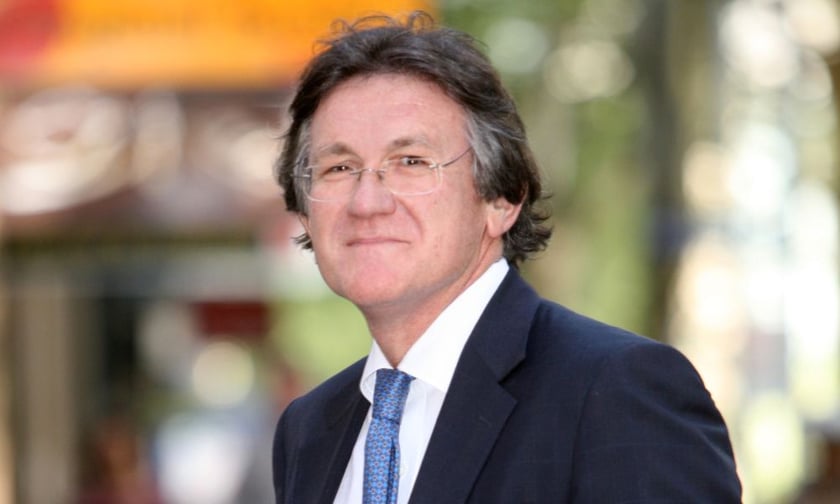
Alan Oster (pictured), NAB chief economist, noted that business conditions were largely stable but showed key variations across industries.
“In trend terms, conditions remain strongest in the services sector but are now weakest in mining, which has had a weak start to 2025,” he said.
Mining remains the weakest-performing sector, despite some improvement from last month.
Gains were seen in construction, transport and utilities, and recreation and personal services, while most other industries reported a decline in conditions.
While conditions improved slightly, business confidence fell sharply by six points to -1, erasing the gains seen in January. Confidence dropped across all states and industries, returning below the long-run average.
“The lift in confidence seen last month was not sustained into February and is now well below average again,” Oster said.
This drop in sentiment comes despite positive economic signals, such as Q4 GDP growth and RBA’s recent rate cut, suggesting that businesses remain cautious about the economic outlook.
Forward orders remained steady at -3 index points, indicating no immediate signs of stronger demand.
Capital expenditure rose by just one point to +5, reflecting a slight improvement but staying below last year’s averages.
Capacity utilisation dipped slightly to 81.9%, though it remains above the long-run average.
Oster said that “capacity utilisation continues to trend gradually closer to its long-run average,” with mining, manufacturing, and wholesale sectors showing the lowest levels.
Despite some moderation in labour costs, businesses are still facing price pressures.
“Lingering cost pressures continue to put pressure on business profits, with profitability conditions remaining well below the long-run average,” Oster said.
While businesses remain wary, consumer sentiment has been on the rise in recent months.
The Westpac-MI Consumer Sentiment Index showed significant improvements in March, suggesting that consumer pessimism has eased over the past six months.
However, business confidence has yet to follow a similar recovery trend. Economic uncertainty—including concerns over US growth, import tariffs, and global financial conditions—could be holding back investment and hiring decisions.
The NAB survey reflects a business sector still struggling with cost pressures and cautious about future demand. While conditions remain stable, the lack of confidence and weak investment signals suggest a challenging outlook for businesses in early 2025.
For more information, please see the NAB Monthly Business Survey (February 2025). Also read the Westpac insights here.