Construction costs rose by 0.5% in the June quarter, according to the latest Cordell Construction Cost Index (CCCI) by Cotality.
This marks a slight uptick from 0.4% in the March quarter – the lowest quarterly increase since March 2010.
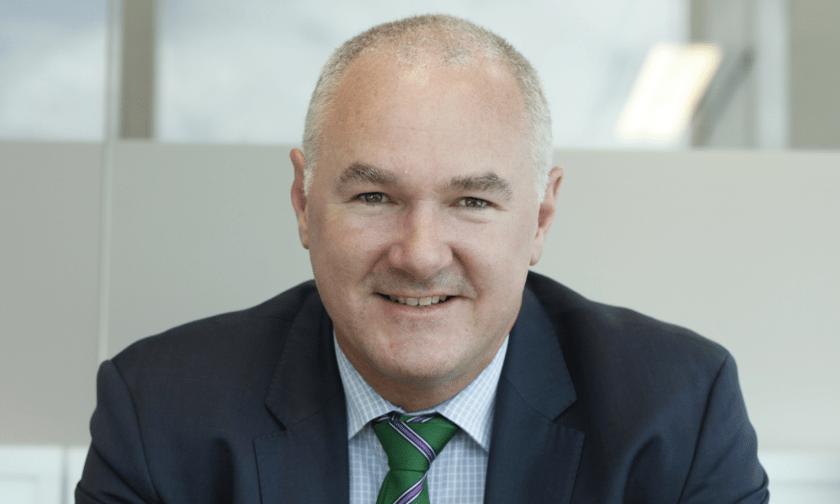
“Growth in residential construction costs has increased a little compared to the previous quarter; however, when compared to the long-term average, the increase is tracking at half the pre-pandemic decade average of 1%,” Cotality Research Director Tim Lawless (pictured) said in a media release.
Lawless added the annual construction cost growth reached 2.9% in the year to June, up from 2.6% the year prior, reinforcing inflationary concerns.
“We’re seeing a complex mix of strong construction pipelines and persistent cost risks,” said Damon Roast, WT construction economist. “While some regions show early signs of moderation, broader investment in skills and materials capacity is still lagging. Without it, elevated escalation could persist longer than expected.”
WT’s report highlights entrenched labour shortages, volatile materials pricing, and underinvestment in capacity as key drivers of elevated escalation.
The June quarter data closely followed RBA’s decision to hold the cash rate at 3.85%, with the central bank specifically highlighting the resurgence in construction costs as a concern in its monetary policy statement.
RBA Governor Michele Bullock noted that certain CPI components – particularly new dwelling costs – were “slightly stronger than expected”.
RBA further warned that elevated construction expenses continue to apply upward pressure on inflation, complicating efforts to tame it.
Lawless also flagged risks to the federal government’s ambitious housing target of 1.2 million new homes by July 2029.
“With the cost of building a new home continuing to rise, the stretch target of building 1.2 million new homes by July 2029 is looking harder and harder,” he said. “Builders are struggling with feasibility assessments amid a combination of high material and labour costs.”
Persistent labour shortages are further inflating costs. Intense competition for skilled trades, driven by record public infrastructure spending, is expected to continue until at least mid-2028, according to Infrastructure Australia.
“Higher construction costs remain a key blocker for getting more desperately needed housing supply into the market,” Lawless said. “High costs have eroded builder margins and contributed to the housing affordability crisis.”
He also pointed to the growing impact of rising build costs on insurance: “Given the 31% increase in residential building costs over the past five years, homeowners may need to consult with their insurer to make sure they are adequately insured.”
John Bennett, Cotality construction cost estimation manager, said recent cost increases were largely driven by materials:
By state, Western Australia led with a 0.7% quarterly rise, followed by Victoria (0.6%).
NSW and South Australia matched the national average (0.5%), while Queensland saw the smallest increase (0.4%).
Despite the lift, all states remain below the pre-COVID decade average of 1% quarterly growth.
Meanwhile, Cordell Construction Monthly reported 1,127 new projects added to the pipeline in May – an 8.6% rise from April – though commencements remained weak, with only 81 projects starting construction, down 56.1% on the 12-month average.