The Australian family home is being redesigned from the ground up. Adult children locked out of the property market and ageing parents who can no longer live alone are pushing households toward a new model — one where the arrangement has moved from a niche option to an increasingly mainstream response to financial pressure.
New national research by Resolve Finance found that 49% of Australians expect to house an adult child or ageing parent within the next decade, with more than one in 10 home buyers actively seeking a property with existing dual occupancy or the potential to build one, The Daily Telegraph reported.
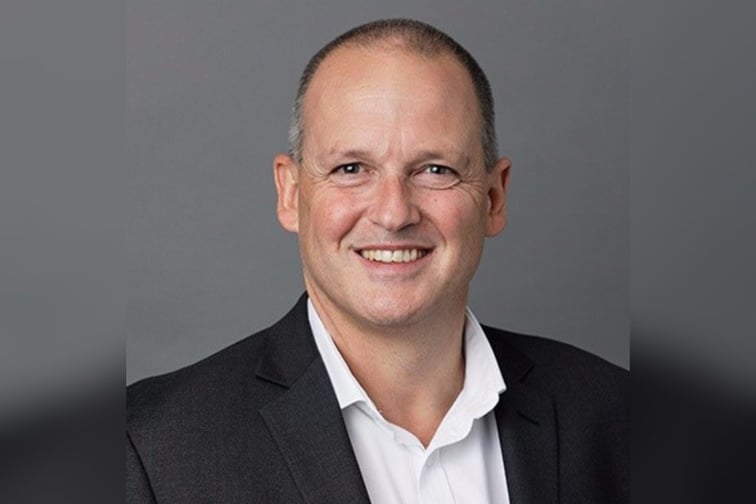
The Resolve Finance research puts numbers on that shift. Resolve Finance director Don Crellin (pictured) said the findings reflected twin pressures squeezing families from both ends of the age spectrum.
"Families are under pressure from both directions," Crellin said. "Kids are staying home longer, and parents are living longer. Housing needs to adapt, and so does the way it's financed."
He was equally direct about what this means for the traditional concept of homeownership: "The traditional idea of the family home is being redefined."
The behavioural data backs the sentiment: PropTrack figures show "dual-occupancy" searches jumped 385% and "dual-living" interest doubled in the past year. PRD Real Estate chief economist Diaswati Mardiasmo puts it plainly — multi-generational living is now "no longer an option or preference, but a necessity.”
The research points to financial motivation as the dominant force behind the trend. Close to half of respondents — 46% — said dual occupancy helps improve affordability, while 41% see it as a way to generate rental income.
Demand is strongest among the so-called sandwich generation — those aged 25 to 44 who are simultaneously supporting adult children and preparing to care for ageing parents. More than half of 25 to 34-year-olds (55%) and 35 to 44-year-olds (52%) said they would consider dual occupancy, compared with 40% of those aged 45 to 54. By state, intent is highest in Queensland at 45%, followed by Victoria at 42% and NSW at 40%.
NSW homeowner Martin Beckett didn't set out to redesign the family home — he was just trying to get his kids back into the market. Beckett and his wife are in the planning stages of a knockdown and rebuild at Emu Plains, creating a dual occupancy home for their two adult children and their families, with a granny flat at the rear for themselves.
"We've had our kids grow up, they've got married, the cost of living has gone up and properties have gone through the roof and my kids have both been in the market and got out of the market because of high interest rates," Beckett told The Daily Telegraph. "I said why don't we knock down our beautiful home and build three dwellings on site, like a multi-generational home."
The project is now awaiting finance approval — and brokers are already seeing the shift in their own pipelines. Switchboard Finance founder Nick Lim said: "Five years ago, a family pooling households was usually a lifestyle decision. Now it's increasingly a mortgage serviceability decision. One income can't carry a Brisbane home at current prices, but two or three can, and lenders are starting to assess those structures properly, where they used to penalise them."
Get the hottest and freshest property and mortgage news delivered right into your inbox. Subscribe now to our FREE daily newsletter.