A median-income household earning around $125,000 a year could afford just 12% of homes sold nationally in FY26, according to realestate.com.au's latest Housing Affordability Report — the lowest share since records began in FY95, and below the previous low of 14% set during the FY08 financial crisis.
The decline follows three consecutive interest rate hikes from the Reserve Bank in February, March, and May, which sharply reduced borrowing capacity even as home prices softened later in the year.
Canstar analysis shows the cumulative reduction in borrowing capacity from the RBA's three 2026 hikes is roughly $25,000 for a single average-income borrower and $49,000 for a couple, adding around $272 a month to repayments on a $600,000 loan.
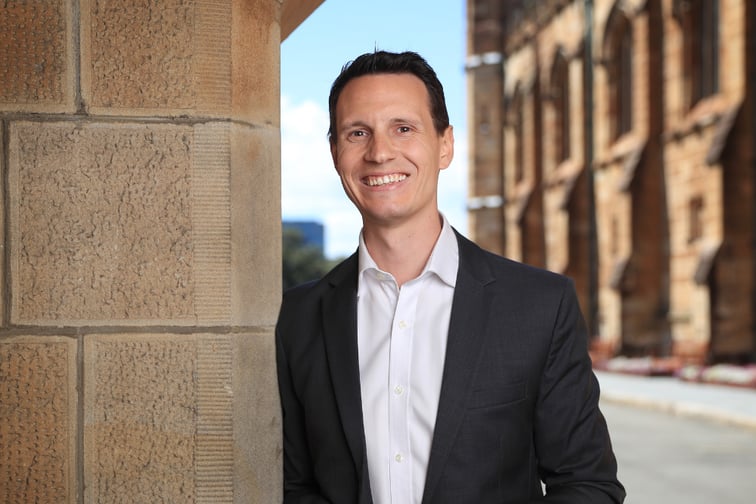
realestate.com.au senior economist Angus Moore (pictured) said the combination had overwhelmed any relief from easing prices.
"While home prices have fallen this year, they have grown much faster than incomes in recent years. That, coupled with rate hikes, has pushed affordability to its lowest since at least 1995," he said.
Saving a deposit has become correspondingly harder: a household saving 20% of its income now needs roughly six years to accumulate a 20% deposit on a median-priced home.
Mortgage serviceability has also hit a multi-decade high, with repayments now consuming 35.5% of average household income nationally — above the Global Financial Crisis peak of 33.3% and the highest share since 1989.
The impact has been most severe at the bottom of the income scale. Households earning $76,000 a year — around the 30th income percentile — could afford just 2% of homes sold over the past year, while those on $65,000 could afford only 1%, according to the report's additional findings.
Affordability declined in every state during FY26.
South Australia has overtaken NSW as the nation's least affordable state, driven by home prices that have more than doubled since the start of the pandemic, while mortgage repayments there now consume 43.9% of average income and take 7.4 years to save a deposit — both the highest of any state.
Victoria, by contrast, has become Australia's most affordable state for the first time since records began, helped by comparatively subdued price growth in Melbourne.
Zooming out from the state-level detail, REA Group CEO Cameron McIntyre framed the national picture in stark terms.
"The fact we are facing the worst affordability in at least a generation is a damning reflection on housing policy and a clear call to action," McIntyre said.
Moore cautioned that any near-term improvement is likely to be marginal at best. Without a meaningful lift in housing supply, he said affordability "will remain a significant challenge, particularly for lower-income households."
Get the hottest and freshest property and mortgage news delivered right into your inbox. Subscribe now to our FREE daily newsletter.