Australia’s rental crisis has worsened, with Anglicare Australia’s 2025 Snapshot showing affordability remains out of reach for vulnerable households despite more listings.
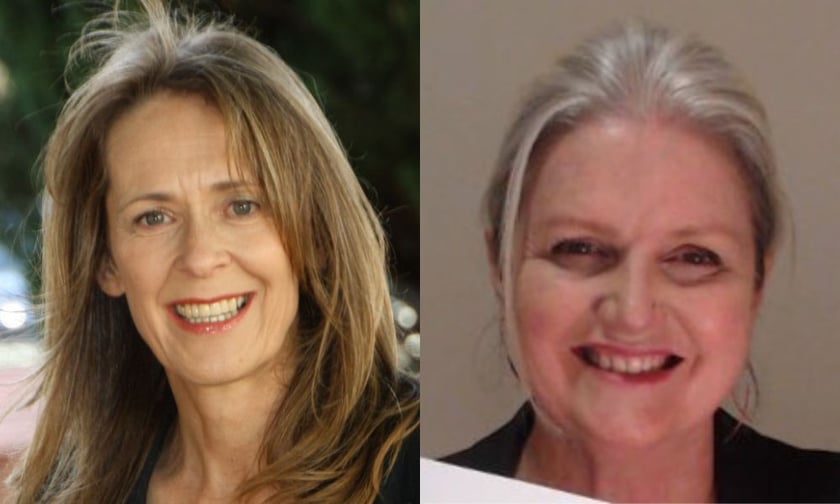
“Australia’s housing crisis is the worst it’s ever been,” said Anglicare executive director Kasy Chambers (pictured left).
Of the 51,238 rental listings surveyed in March, only three were affordable for a single person receiving JobSeeker. Not a single listing was affordable for someone on Youth Allowance. Just 0.1% of properties were accessible to someone on the Disability Support Pension, and 0.3% for someone on the Age Pension.
The national vacancy rate rose to 1.3%, and listings increased from 45,115 in 2024 to 51,238 this year. Yet rental affordability remained stagnant or worsened for nearly every low-income group.
Single full-time minimum wage earners saw only a marginal improvement, with 0.7% of properties deemed affordable—up from 0.6% in 2024.
The findings challenge assumptions that boosting supply alone will improve affordability.
The report attributed the worsening crisis to decades of policy favouring private investors. It criticises tax concessions like negative gearing and the capital gains tax discount for fuelling speculation and driving up prices.
“This is not a system designed to make housing affordable; it is designed to make housing profitable,” the report said.
Older Australians and families continue to face severe barriers in the rental market.
Just 0.3% of listings were affordable for a single person on the Age Pension, most being rooms in share-houses. Families also found little relief, with affordability remaining below 0.1% across the board.
Anglicare’s findings are supported by Australian Council of Social Services (ACOSS) data, showing nearly half of all JobSeeker recipients spend more than half their income on rent. Basic necessities such as food, healthcare, and heating are often sacrificed.
“This is another damning report that shows how inadequate social security payments like JobSeeker are, and how it exacerbates the housing crisis,” said ACOSS CEO Cassandra Goldie (pictured right).
“If you receive JobSeeker or another social security payment, the data shows you have virtually no chance of avoiding housing stress if you need to rent in the private market.
“People end up going without food, medication and essential healthcare to try to keep a roof over their head.”
With a federal election looming, ACOSS is calling on all candidates to commit to a rise in income support rates.
“The most important thing the next federal government should do to reduce the deep financial stress experienced by more than 1.5 million people in Australia is to raise the rate of social security payments like JobSeeker so that they meet basic needs,” Goldie said. “This should be the first priority of all candidates concerned about cost of living in this election.
“With just days to go, we call on all candidates to support Raise the Rate, and commit to lifting JobSeeker, Youth Allowance, Parenting Payment and related income support payments to at least $82 a day so that people have a chance of keeping a roof over their head."
Anglicare has outlined a comprehensive reform package, calling for:
“Australia can choose a different path,” Chambers said. “We can undo the policy settings that have crushed the most vulnerable. We can choose to build a housing system that serves people, not profits.”