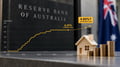
Australia's current spending spree could stall future interest rate cuts, according to Reserve Bank of Australia (RBA) governor Michele Bullock.
Speaking at an AI in banking event Wednesday in Perth, Bullock noted that the nation's recent consumer spending numbers were "a little stronger" than expected, hinting at the possibility that this could lead to delays in future cash rate cuts.
"For some time we have been predicting that the Australian consumer will start to spend a bit more, and they are – slowly,” Bullock said, adding, however, that Australians are still "value conscious" in how they manage their money.
"We are seeing it come back, and that’s welcome," the governor said in her speech. "We’re seeing the private sector start to demonstrate a little bit more growth now, which I think is positive. What it means for future interest rates, I don’t know. All I would say is that, if anything, it’s probably a little stronger than we thought it would be.
“That’s good, but it does mean that it’s possible that if it keeps going, then there may not be any interest rate declines yet to come. But it all depends," Bullock added.
Consumer spending Down Under rose 2 points during the last week of August, according to the latest ANZ-Roy Morgan Survey. The rise in consumer spending was driven in part by extra disposable income and recent tax cuts.
In addition, the RBA’s recent rate cut injected another layer of momentum into the housing market and the broader economy. In August, the board unanimously knocked 25 basis points off rates, lowering the official cash rate (OCR) to 3.60%. The bank cited moderating inflationary pressures and a tight labor market as the key drivers for its decision.
The June quarterly consumer price index (CPI) confirmed that inflation continues to trend downward. Both headline CPI and trimmed mean inflation declined over the quarter, with annual CPI easing to 2.1%, down from 2.4% in the previous period, while trimmed mean inflation dipped to 2.7%, compared with 2.9% in the prior quarter. In addition, the nation's unemployment rate remains historically low at 4.2%.
Bullock hinted during the August press conference of more interest rates to come in order to keep inflationary pressures at bay and preserve full employment. Meanwhile, economists are also anticipating further rate reductions. That's welcome relief for mortgage holders and investors nationwide, many of whom continue to feel the strain of rising living costs.
The RBA caught markets off guard during its July meeting, when it decided in a six to three vote to hold interest rates. At the time, the board pointed to lingering uncertainties at home and abroad, choosing a wait-and-see approach before easing policy, with a focus on keeping inflation within its target range.
Looking ahead, stronger consumer prices could add to inflationary pressures and delay further easing.
The RBA's next meeting is scheduled for 29-30 September.