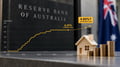
Buyer demand is surging across Australian housing markets, with both investors and homebuyers chasing affordable opportunities as interest rates fall.
The surge comes as the Reserve Bank has cut rates three times in 2025, lowering the cash rate to 3.6%, but also alongside a sharp lift in consumer confidence. The Westpac-Melbourne Institute index jumped 5.7% in August to its highest level since early 2022, with households increasingly viewing it as a good time to buy a dwelling.
Analysts say falling rates are reshaping buyer sentiment and could add further momentum to housing demand through the spring selling season.
New data from PropTrack shows serious buyer interest has skyrocketed across a diverse mix of capital city and regional suburbs, with one state in particular making a strong comeback after years of underperformance.
At a national level, houses listed for sale in the past year attracted an average of 41 enquiries, while units received 40. Enquiry rates were highest in Sydney, followed by Brisbane, Adelaide, and Perth.
REA Group senior economist Eleanor Creagh (pictured) said the rise in enquiries was a clear indicator of mounting competition.
“An increase in enquiries per listing is an indicator that buyer demand is intensifying relative to the supply of homes available for sale,” Creagh said.
“When more buyers are competing for each property, this heightened competition typically places upward pressure on prices.”
“While not a guarantee, sustained increases in enquiries per listing often foreshadow increased competition and potentially price growth in those markets.”
Victoria has emerged as a standout hotspot, with Melbourne suburbs showing the sharpest lift in demand of any capital city.
Buyer demand for houses has increased in 90% of Melbourne suburbs year-on-year, compared with just 39% of Sydney suburbs. Overall enquiries per listing in Melbourne are up 22%, with outer affordable suburbs such as Campbellfield and Dallas more than doubling in activity.
Creagh said affordability was a key factor in Melbourne’s resurgence.
“After lagging other capitals throughout much of the past five years, Melbourne is now comparatively affordable and is seeing demand catch up, with buyers viewing it as offering relative value and long-term appeal,” she said.
“Population growth is underpinned by migration, while easing interest rates are boosting borrowing capacity.”
Real estate agent Richard Ali of Barry Plant Glenroy said interstate investors were driving much of the activity.
“We have a lot of buyers from Sydney now who have been trying to purchase,” Ali told PropTrack. “They are paying more than what the local buyers are willing to pay to secure something.”
Demand is also surging in regional hubs. Suburbs across Bendigo, Ballarat, Geelong and Mildura have recorded higher levels of enquiry, with New South Wales centres such as Albury also in focus.
Creagh said regional buyers were balancing affordability with lifestyle and long-term growth prospects.
“These areas often offer larger homes at lower price points than the capitals – a motivator with affordability at historically low levels,” she said.
“Many have benefited from ongoing migration trends post-pandemic, with buyers still valuing space, relative affordability, and improved hybrid working arrangements.”
In Albury, competition is fierce, according to local agent Clinton Gilson of Gilson Yonson Real Estate.
“It’s just crazy,” Gilson told PropTrack. “Every property we have is selling over the asking price. I had one yesterday that had 18 offers and sold $87,000 above what we appraised it at.”
In Sydney, enquiry growth is concentrated in the west and south west. Suburbs such as St Johns Park and Lansvale typically record more than 100 enquiries per listing. Activity has also spiked on the Central Coast and in the outer south west.
Creagh said affordability was drawing buyers away from inner-city suburbs.
“These markets provide more affordable entry points compared with the inner city, which is particularly appealing at a time when borrowing capacity has only just begun to recover after two years of rate rises,” she said.
While demand has increased most in lower-cost suburbs, premium markets continue to perform strongly. Rose Bay, Bellevue Hill and Bronte ranked among the top 10 suburbs for house enquiries, while Kirribilli and Double Bay were standouts for units.
Demand is also strengthening in smaller capitals. In Darwin, suburbs such as Driver and Bellamack saw the sharpest increase in enquiries, while in Hobart, Montrose and North Hobart topped the charts.
Creagh said these shifts were a sign of broad-based momentum.
“Provided the lift in enquiries is sustained, this typically translates into greater competition among buyers and potentially higher prices in the months ahead,” she said.
Hotspot awareness: Brokers should monitor suburbs where enquiry levels have surged, as rising competition may impact client affordability and timelines.
Investor activity: Strong interstate investor interest, particularly in Melbourne and regional centres, could affect local buyers’ ability to compete.
Client strategy: Advisers can help clients prepare for faster-moving markets by securing pre-approvals and considering a wider range of locations.
Market timing: With rates falling and demand lifting, brokers can guide buyers on balancing affordability today with potential price growth ahead.
Get the hottest and freshest mortgage news delivered right into your inbox. Subscribe now to our FREE daily newsletter.