In a cautious move reflecting continued global economic uncertainties, the US Federal Reserve decided to maintain its benchmark interest rate, Wednesday US time. The central bank opted for a wait-and-see approach, citing inflationary pressures and rising risks of unemployment as the culprits.
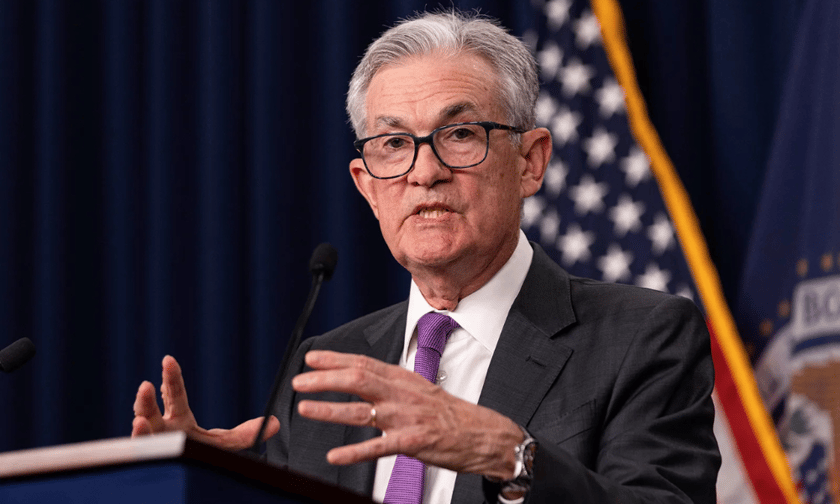
In his speech, Fed Chair Jerome Powell talked about an era of "heightened uncertainty," and said the board's decision was influenced by factors such as the Trump Administration's tariff policies.
The Fed's pause has wide-spread implications, not only for the US economy, but also for Australia's financial landscape. This could create new opportunities in the nation's housing markets — and for brokers.
For Australia’s property sector, the Fed’s decision adds a layer of global stability that could help sustain investor confidence. It's also advantageous to homeowners (both existing and potential) at a time when cost-of-living pressures seem to be at the top of everyone's mind, dominating consumer spending habits.
With the Reserve Bank of Australia (RBA) leaning dovish in recent months — already trimming the cash rate to 4.10% in February — the Fed’s steady stance reinforces popular opinion that the RBA will continue easing rates in 2025.
But some say the RBA decision will more likely be influenced by economic data than what the US is doing.
"RBA no longer mechanically follows the Fed," Saul Eslake, a Hobart-based economist, told Australian Broker. "The RBA sets its cash rate according to its judgements about what is required for Australian economic conditions
"You can read into Powell's statement that if inflation were to go up as a result of the tariffs, and stay up, then you couldn't rule out a rate rise. But that's some way away," Eslake continued. "Really, the market was probably looking for any indication that [the Fed] might cut rates, and [Powell] didn't give one. He's saying, 'we're going to have to look at what the data actually tells us before we decide how we're going to respond to it.
"And that, broadly speaking, is what [RBA Governor] Michele Bullock said," the economist added. "She said the RBA's decisions in this uncertain environment will be guided by what the data says — not by speculation about what the data might say. And so the likelihood is not so much that the Fed or the RBA will put rates up or down. It's more likely that they won't do anything until a clearer picture emerges."
But market players — including all four of Australia's Big Four banks — are widely anticipating another rate reduction at the RBA's May meeting. The move would likely lead to even more optimism in the property markets, as it increases borrowing capacities.
Eslake is also forecasting a rate reduction at the upcoming meeting.
"A rate cut will be because Australian inflation is back in the RBA's target band, and they have confidence that it will remain in their target band," he said. "It won't be because they fear a recession is coming, because of things that are happening in the US or China."
Meanwhile, concerns are emerging over the direction of the Australian dollar, in comparison to the US dollar. If the RBA does cut rates below US rates, that could further weaken the Australian dollar, making Australian real estate more attractive to foreign buyers and investors, particularly those from the US and Asia.
But Eslake said investors are prepared.
"The markets are expecting the Reserve Bank to cut rates. So if all it does is what the markets expected to do, then that's already baked in the price and nothing will happen," the economist explained. "But if the Reserve Bank were to cut rates by more than 25 basis points. Or if they were to say we'll cut rates by 25 basis points [in May] and we expect to do a bit more in the next month. Then that would be a surprise, and the Australian dollar would fall."
For mortgage brokers, the uncertain global environment underscores the need to stay agile. A low rate environment will likely stimulate even more momentum, particularly among first-time buyers and in growth corridors and regional markets, such as Western Australian, Queensland and Adelaide. Brokers should be prepared for increased inquiries, both in purchases and among those looking to refinance, while also staying up to date on evolving lender policies.