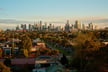
New analysis from Compare the Market has found renting remains cheaper than buying across every Australian capital city for houses, with Sydney recording the widest gap in the country.
Sydney buyers face monthly costs roughly double what renters pay, with a median house price of just over $1.6 million translating to mortgage repayments of around $7,708 against median rent of $3,735, based on a 20% deposit and 6% interest rate.
Brisbane and Canberra round out the country's three most expensive capitals for home ownership, with Brisbane's median house price sitting at $1.18 million and Canberra's at just over $1.05 million. Both cities showed a substantial premium for buying over renting, at 75% and 55% respectively.
A separate, broader measure of national affordability points the same way: the Real Estate Institute of Australia found the share of median family income required to service an average home loan climbed to 50.8% in the March quarter, as rate rises continued to weigh on household budgets.
Darwin stood out as the only capital where the affordability gap has almost closed, with mortgage repayments on its median $709,975 house just 5% higher than rent. The unit market told a different story again, with Darwin the only capital where buying actually undercut renting, by around 20%.
Across the unit market more broadly, the gap between renting and buying was considerably narrower than for houses. Brisbane units carried the largest premium for buyers at 43%, while Canberra came closest to parity at just 10%.
Chris Ford (pictured) at Compare the Market weighed in on the trade-off.
"While renting is currently the cheaper option in most Australian capital cities when comparing monthly costs alone, the decision isn't always straightforward. Buying a home allows Australians to build equity over time, while renters may benefit from greater flexibility and lower upfront costs," Ford said.
He added that shopping around on loan products remains one of the more effective ways borrowers can offset the affordability gap.
"Comparing home loans can help Australians find a mortgage that suits their needs and potentially save money in the process," Ford said.
That advice carries added weight given current rate settings: the report's modelling assumes a 6% interest rate, while the RBA has held the cash rate at 4.35% following three increases earlier in 2026 — meaning actual mortgage repayments, and the affordability gap, may be running higher than the figures suggest.
Internationally, Australia's 30.41% house price-to-rent gap places it outside the world's most expensive markets for home ownership, with Türkiye, Portugal, and Hungary recording the largest gaps globally, according to OECD data.
Read the full report for more information.
Get the hottest and freshest property and mortgage news delivered right into your inbox. Subscribe now to our FREE daily newsletter.