Tighter monetary policy from the Reserve Bank of Australia (RBA) and a cooling jobs market are dragging on Australia’s economic outlook, with the Westpac–Melbourne Institute Leading Index slipping back below trend in October 2026.
The index’s six-month annualised growth rate fell to –0.14% in October, down from +0.06% in September. The gauge signals how fast the economy is likely to grow relative to trend three to nine months ahead.
Westpac said the October result was “pointing to a loss of momentum in the first half of 2027”.
The reading is still slightly firmer than in April, when it stood at –0.2% as the war in Iran first began to hit the economy. The mix behind it, however, has shifted since then.
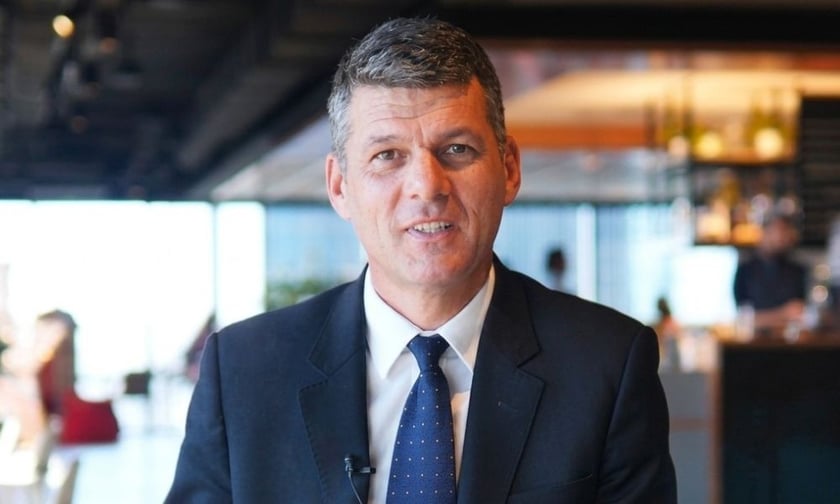
Since April, the labour market and monetary policy have become more prominent weights on the index, according to Matthew Hassan (pictured), Westpac’s head of Australian macro-forecasting.
Weaker hours worked shaved 0.2 percentage points from the growth rate. Rising job loss fears, tracked by the bank’s Unemployment Expectations Index, subtracted a further 0.15 points when combined with softer commodity prices in Australian dollar terms and a narrower yield spread.
Hassan noted the narrower spread was “mainly reflecting the RBA tightening pushing up short term rates”.
Official jobs data backs up those labour market concerns, with the unemployment rate rising to 4.7% in September, according to the Australian Bureau of Statistics (ABS).
The yield spread is the gap between short-term and long-term interest rates. A narrower spread tends to signal tighter financial conditions ahead. That tightening stepped up again this month, when the RBA lifted the cash rate to 4.85% on 3 November, its fifth increase this year. Since then, dozens of lenders have passed the November hike on to borrowers.
Over the same period, other components more than made up the difference. That is why the index remains a touch firmer than in April.
Firmer dwelling approvals and stronger local share markets together added 0.17 percentage points. Consumer expectations remained a negative, though a much smaller one than before. That smaller hit from the bank’s Consumer Expectations Index added back 0.25 points.
Westpac expects annual gross domestic product (GDP) growth to slow to 1.4% for calendar 2026, then ease further to around 1% in 2027.
According to Hassan, the index signal is not especially weak, but the decline warrants close attention. He added that the component detail suggested “there may be more weakening to come”.
Get the hottest and freshest property and mortgage news delivered right into your inbox. Subscribe now to our FREE daily newsletter.