By
Australia's mortgage market could face another difficult year, with interest rate cuts unlikely before the second half of 2027 despite growing signs of economic weakness.
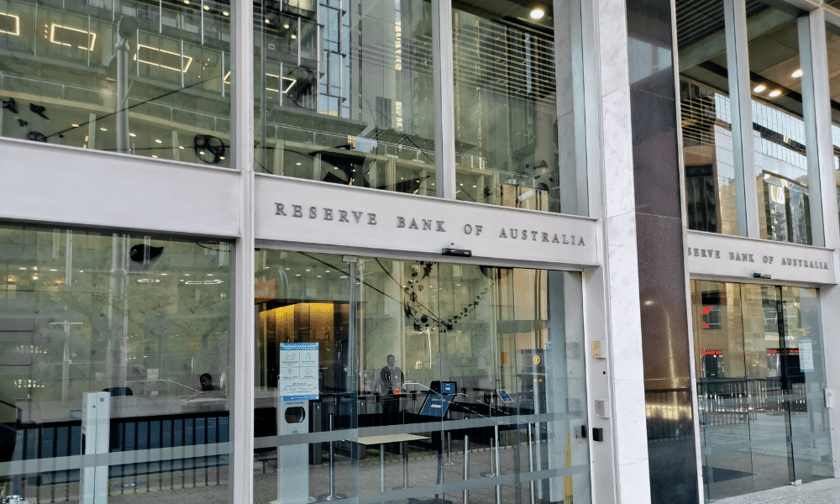
Ray White Group chief economist Nerida Conisbee expects borrowing costs to remain high in the near term, with further rate increases still possible as the Reserve Bank of Australia (RBA) works to bring inflation under control.
The outlook comes as housing finance activity is already weakening. The value of new home loans fell 15.5% in the September quarter, while refinancing accounted for a growing share of brokers' business as property purchases slowed.
Borrowing costs have since risen further, with the RBA lifting the cash rate to 4.85% in November. Major banks have also passed the increase on to variable mortgage rates, adding to repayments for existing borrowers.
Refinancing has also become more difficult for some borrowers. An earlier Mortgage & Finance Association of Australia survey found that 49.2% of brokers were seeing more clients unable to refinance because they could not meet serviceability requirements.
Conisbee expects higher rates to continue weighing on borrowing capacity and buyer confidence, particularly in more expensive housing markets. At the same time, signs of a broader economic slowdown are becoming more apparent.
Employment fell by almost 40,000 in September, while unemployment rose to 4.7%. More recent Australian Bureau of Statistics figures showed another 43,500 jobs lost in October, pushing unemployment to 4.9%.
Consumer spending has also slowed, while property prices have declined, adding to signs that higher borrowing costs are affecting the wider economy.
Conisbee warned that further tightening could deepen the slowdown, particularly because the full effects of recent rate increases have yet to emerge: "The risk is that the economy weakens more quickly than inflation, leaving the Reserve Bank with a very different problem to manage.”
Despite the slowdown, inflation remains above the central bank's target. Headline inflation reached 4.3% in September, while underlying inflation stood at 3.6%, compared with the RBA's 2% to 3% target range.
Conisbee identified rising energy prices, rents, insurance premiums and construction costs as continuing sources of inflationary pressure. Many of these increases reflect supply shortages and global costs that higher interest rates alone cannot address.
Nevertheless, she expects inflation to gradually ease as weaker consumer spending, softer employment conditions and the cumulative impact of higher rates work through the economy.
That could eventually allow the RBA to consider easing monetary policy, but Conisbee sees little prospect of cuts in early 2027. Further increases remain possible if inflation continues to exceed expectations.
"If the economy continues to weaken and inflation begins to respond, reductions in the second half of the year are possible," Conisbee said.
The timing remains uncertain. The RBA's November Statement on Monetary Policy forecasts inflation remaining above 3% until late 2027, before easing further in 2028.