Westpac's Leading Index of economic activity has edged higher for a second straight month, suggesting the economy is stabilising rather than losing further momentum heading into spring. The six-month annualised growth rate lifted to -0.2% in July, up from -0.4% in June, according to the latest Westpac-Melbourne Institute bulletin.
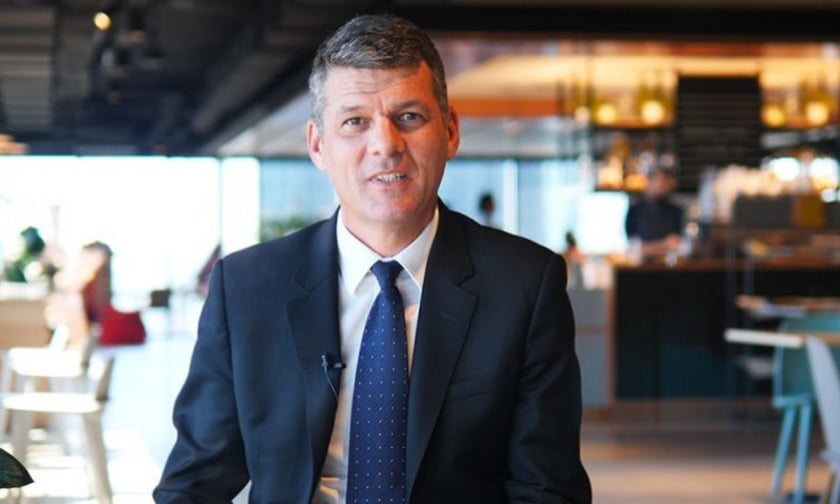
Westpac head of Australian macro-forecasting Matthew Hassan (pictured) said the yield spread — driven by sharply higher short-term interest rates from the RBA's cash rate increases — has been the single biggest drag on the index since the start of the year, cutting the growth rate by 0.33 percentage points.
However, Hassan said this specific effect "has largely run its course with the RBA's shift from active monetary tightening to a 'hawkish hold' set to see a mechanical moderation in this specific drag in the months ahead."
That view lines up with the RBA's own reasoning at its last meeting: the board held the cash rate at 4.35% in August, saying "financial conditions are now tighter than they were, and the economy appears to be slowing as expected. But inflation is still too high" — a stance Westpac expects to hold through the board's next meeting on 28-29 September.
July marked the seventh consecutive month the index has sat below trend, though the pace of weakness has clearly eased since mid-year.
Hassan said the reading "compares with the two-year stretch of below-trend reads in 2022–24 which saw an average read of –0.4%, ranging as low as –1%." He added that the broader picture remains one of an economy that is "soft, but not particularly weak," with GDP growth likely to stay positive overall even if per capita growth runs close to flat.
Beyond the rate effect, the bulletin points to financial market conditions, including the S&P/ASX200, and labour market indicators such as hours worked and consumer unemployment expectations, as the other main components holding the index below trend, each cutting 0.2 percentage points from the headline figure. Dwelling approvals and US industrial production provided modest offsetting support.
Hassan said the key question ahead is whether the pace of softening will be enough to bring inflation back within the RBA's 2-3% target range.
Get the hottest and freshest property and mortgage news delivered right into your inbox. Subscribe now to our FREE daily newsletter.