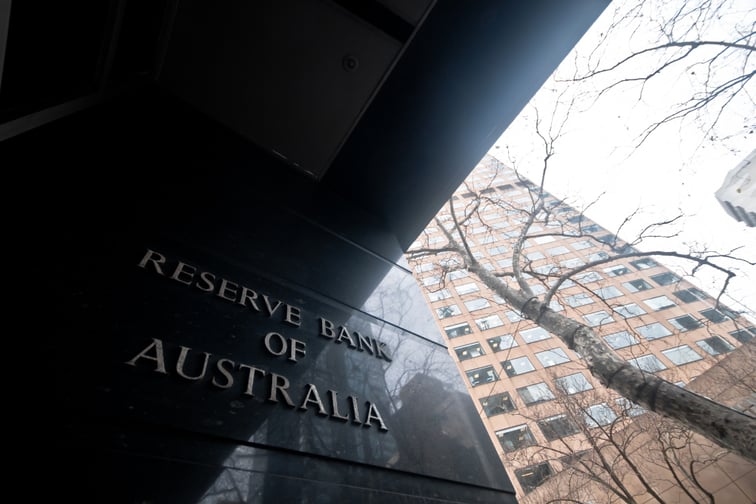
Mortgage arrears have edged higher but remain near pre-pandemic levels, and most Australian mortgage holders have enough savings and home equity to absorb falling property values, according to the Reserve Bank's (RBA) Financial Stability Review.
The central bank said most borrowers, including households and businesses, are "well positioned to manage through a period of slowing economic growth and declining housing prices", although cost pressures have risen since January.
That decline is now well under way, with Cotality's latest figures showing national home values fell 1.1% in September, leaving them 5.2% below their March peak.
On delinquencies, the review's verdict was that "Arrears rates remain low despite a recent pick-up."
Borrowers on lower incomes or with high loan-to-value or loan-to-income ratios continue to show higher arrears than the broader market. However, their arrears have not risen significantly this year, and these borrowers account for only a sliver of the market.
First-home buyers are not showing signs of strain either. The RBA's liaison with banks suggests that hardship among participants in the Australian government 5% Deposit Scheme is contained.
The RBA estimates that only around 2% of variable-rate owner-occupier borrowers have income that falls short of their scheduled repayments plus essential living costs. Most of these borrowers could cover the gap from savings for at least six months if they limited spending to essentials.
That estimate predates the RBA's decision on 29 September to lift the cash rate by 25 basis points to 4.6%, as the review's data cut-off was 25 September.
Offset and redraw balances remain a key line of defence. The median borrower could meet more than a year of scheduled repayments from these accounts at current rates, which leaves borrowers better placed than they were before COVID-19.
Household budgets have still come under pressure. Higher inflation and recent cash rate increases were the main reasons real disposable income per person slipped over the first half of 2026, and calls to the National Debt Helpline rose modestly over the same period.
The message brokers should note was aimed at lenders: keep credit discipline tight. The RBA said banks have kept their lending practices prudent and hold enough capital to absorb losses while continuing to lend.
It nonetheless stressed that lending standards must "remain sound in the face of ongoing strong competition in lending", warning that resilience should not be eroded at a time when shocks are more likely.
The RBA identified offshore developments as the main threats to stability, including sovereign debt pressures and growing cyber risks. It assessed domestic cyclical risks as not systemic at this stage.
Get the hottest and freshest property and mortgage news delivered right into your inbox. Subscribe now to our FREE daily newsletter.