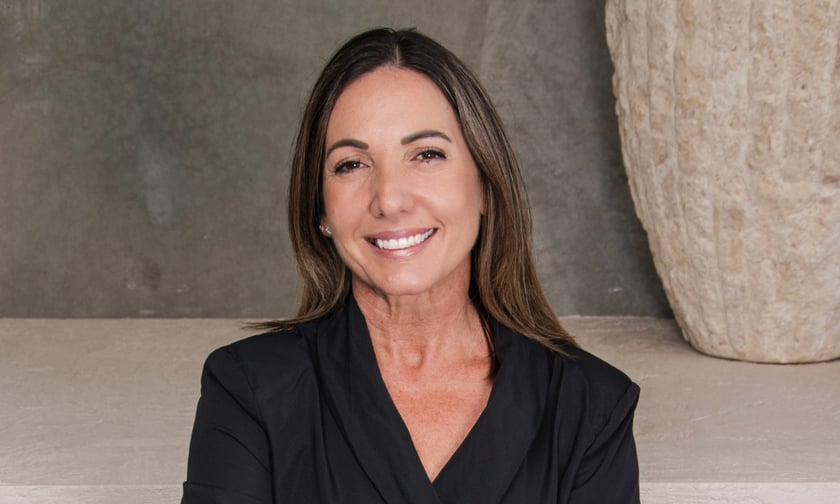
Many lenders’ policies weren’t built for modular construction – a gap Teressa Fisk (pictured), senior finance broker and director at Your Finance Broker, has worked to close since she started broking just over four years ago.
It began when a friend’s building business struggled to secure finance for clients buying modular homes. Fisk went to the yard to see why.
“I was genuinely amazed by what I saw and the opportunities this type of construction could offer, particularly for people looking to build in regional or remote areas, or those wanting an alternative to traditional construction,” Fisk said.
The issue was not the product but the policy.
“What we discovered was that many lenders’ policies and processes weren’t designed to accommodate this style of building,” Fisk said. “That’s when I realised there was a gap between the building industry and the finance industry, and I wanted to help bridge it.”
Since that visit, she has worked with builders, lenders, and clients to find practical lending solutions that make modular construction more accessible.
“One of the biggest lessons I’ve taken from this experience is the importance of being curious, listening and not being afraid to challenge the way things have always been done,” Fisk said.
Fisk’s modular experience reflects a wider point about how brokers and lenders work together. Because brokers see daily where policies help or hinder clients, she believes lenders gain from listening to that feedback.
“It’s not about criticising a lender or their policies, but about having open conversations that can lead to better outcomes for everyone,” she said.
Fisk’s path into broking was not a straight line. After close to 10 years in banking, she left finance for a role that fitted around school hours while her son was young. When she returned, broking offered both flexibility and a broader product range.
“What really appealed to me was the opportunity to offer clients a wider range of lending solutions rather than being limited to one bank’s products and policies,” Fisk said.
After a year at a brokerage where a friend worked, she launched Your Finance Broker. She counts the growing number of women entering the industry, and the work-life balance it now allows, among broking’s most positive shifts.
“When my son was younger, these opportunities weren’t as readily available, and I often think that if they had been, I may have found it easier to stay in the finance industry during those years,” Fisk said.
Just this month, Your Finance Broker was among five businesses selected for the next phase of She Means, a program backed by the Mortgage & Finance Association of Australia (MFAA)
Her advice to people starting out in broking reflects the same curiosity that drew her to modular lending.
“You don’t need to know everything when you start, but you do need to be willing to learn, build relationships and keep asking questions,” Fisk said.
Fisk has also published her first book, Life Costs Money – Now What?, a practical guide to everyday money matters for young people moving into adulthood. As the mother of a teenage son, she said the project grew from thinking about the financial decisions young people face.
“Drawing on my experience in banking, business and finance, I decided to put together a practical guide that explains everyday money matters without all the complicated language,” she said.
The book covers first jobs and payslips, saving, buying a car, understanding credit, and preparing for bigger financial milestones. She hopes it will help young Australians feel more confident about money.
Get the hottest and freshest property and mortgage news delivered right into your inbox. Subscribe now to our FREE daily newsletter.