The NSW Government's 2026–27 budget has drawn a cautious welcome from the property industry, with no new taxes or charges hitting the sector. But the hard work on housing affordability remains unfinished — and for brokers whose clients are navigating a constrained supply market and rising ownership costs, the budget offers steadiness rather than relief.
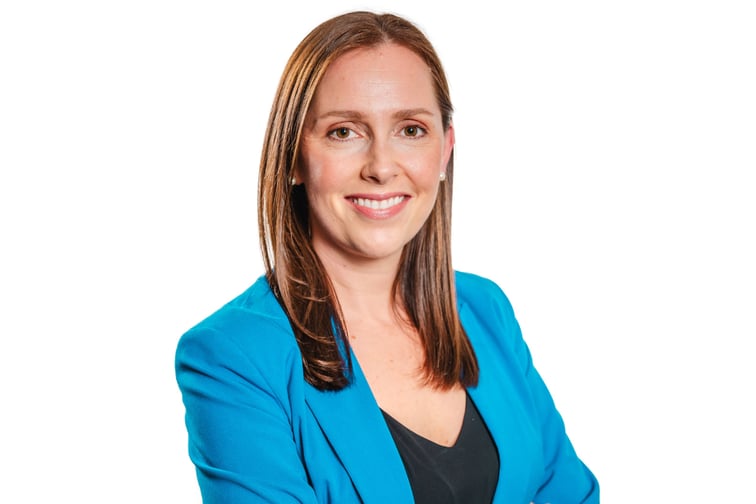
Property Council NSW executive director Katie Stevenson (pictured) acknowledged the budget's steadying effect.
"In a challenging economic environment, the certainty offered by this budget is very welcome," Stevenson said. "Importantly, there are no new taxes or charges hitting the property sector, and that provides confidence for investors and developers making long-term decisions."
The budget allocates $3 billion over four years to the Planning, Housing and Infrastructure portfolio, and extends the Pre-Sale Finance Guarantee — a measure the Property Council has championed as critical to getting more projects moving, particularly where access to finance remains a key barrier to delivery. Changes to the foreign investor surcharge for qualifying build-to-rent and retirement living developments were also welcomed as a step toward attracting large-scale capital into the housing sector.
Despite those positives, the Property Council warned the budget stops short of addressing the structural barriers preventing development pipelines from converting into delivered housing.
Construction costs, infrastructure contributions, and government charges continue to erode project viability across NSW — with Western Sydney particularly exposed, where developers are struggling to deliver apartments at prices the local market can absorb.
Stevenson was direct about what is missing. "While this budget provides welcome stability amidst ongoing global uncertainty, it doesn't yet deliver the step-change needed to turn approvals into homes," she said.
The Property Council has consistently called for infrastructure contributions — including the Housing and Productivity Contribution — to be deferred to the occupation certificate stage rather than levied upfront, arguing the timing mismatch damages project cashflow and forces otherwise viable developments to stall.
With the 2027 NSW election on the horizon, the council has signalled it will engage all parties on a more ambitious reform agenda focused on feasibility and delivery.
Western Sydney is where the supply tension is most acute. Road funding for the Aerotropolis is projected to double over the next four years, and $2.4 billion in new funding has been committed for Parramatta Light Rail Stage 2 — infrastructure that underpins long-term liveability and property demand in the region. But without contributions reform, the Property Council warns that developers will continue to struggle to convert that infrastructure investment into the housing supply the region needs.
NSW remains the only mainland state that funds emergency services by taxing insurance customers — and the bill is growing. The ESL will cost NSW households and businesses $1.5 billion in FY2026–27, a 66% increase over five years, adding around 18% to a typical home insurance premium on top of stamp duty.
ICA CEO Andrew Hall warned the levy has behavioural consequences.
"A tax this size pushes people to cut back their cover or drop it altogether, which leaves more families and businesses exposed when the next flood or fire hits," Hall said.
For broker clients assessing the total cost of owning property in NSW, the ESL is a structural cost that is moving in one direction. Consultation on reform is underway — but until it lands, the bill keeps rising.
Get the hottest and freshest property and mortgage news delivered right into your inbox. Subscribe now to our FREE daily newsletter.